
Recycling Disposables: Challenges and Solutions for a Greener Future
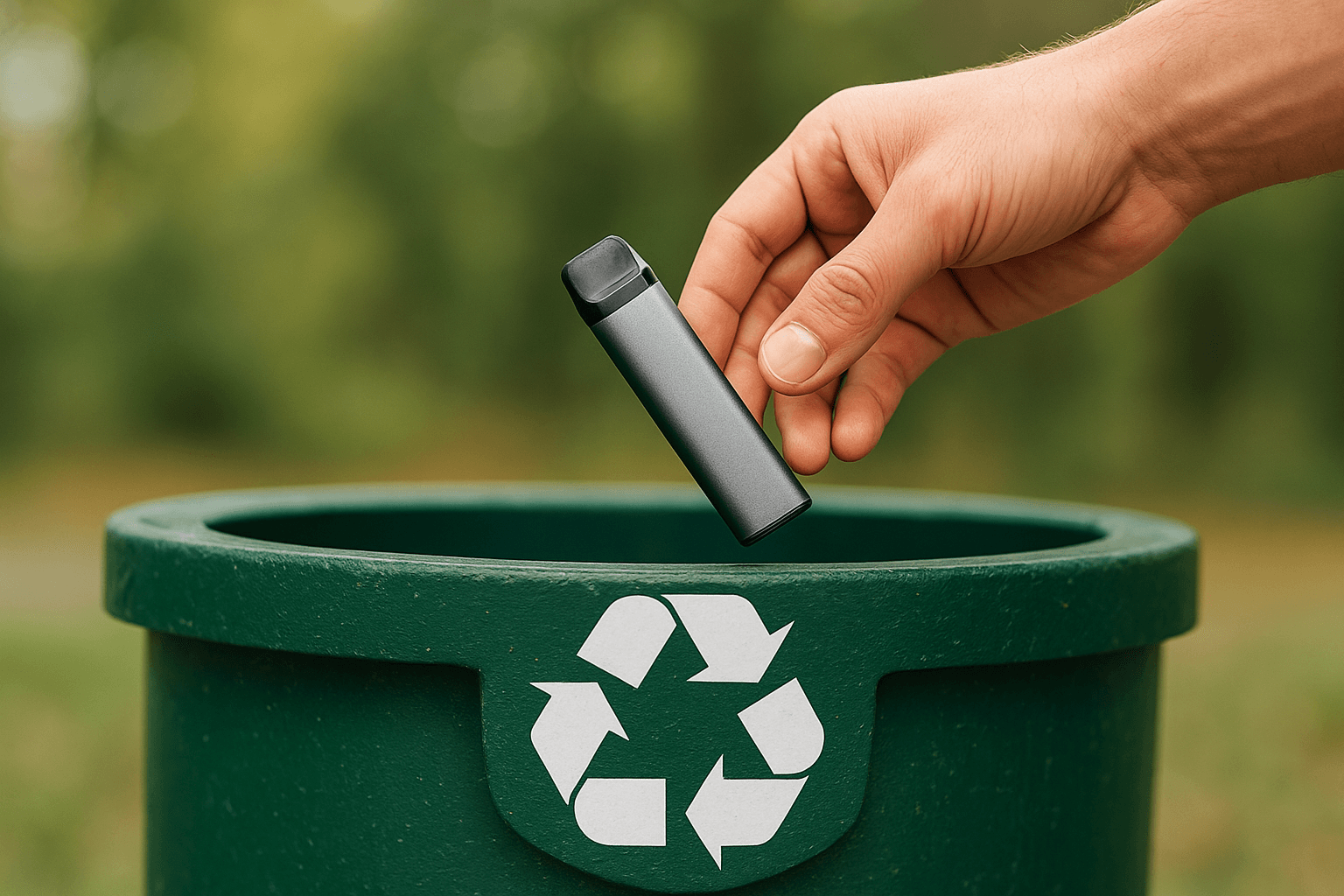
Are your “disposables” really being recycled—or just ending up as landfill clutter?
Every coffee cup, takeout box, or plastic fork might feel small, but they’re adding up to a massive global waste crisis. The very products designed for convenience are now threatening our environment.
But here’s the good news: solutions exist—and they’re growing stronger by the day.
In this blog, we’ll unpack the real challenges of recycling disposables, reveal the tech-driven innovations that give us hope, and show you exactly how you can make a meaningful difference—starting today.
Quick Navigation
- The Problem: Our Recycling Systems Are Struggling
- The Solution: Innovations Leading the Way
- The Role of Consumers: Small Actions, Big Impact
- Real Success Stories: Proof That It’s Possible
- What’s Next: A Future with Less Waste
- Your Voice Matters
The Problem: Our Recycling Systems Are Struggling
The world generates millions of tons of waste daily, much of it made up of single-use items like plastic utensils, food packaging, and medical disposables. While convenient, these products are often a nightmare to recycle.
Why It's So Hard to Recycle Disposables:
-
Mixed Materials: Items like coffee cups and juice cartons combine paper, plastic, and metal—making them tricky or impossible for traditional recycling.
-
Contamination: Food residue (like oily pizza boxes) ruins recyclability, causing entire batches to be discarded.
-
Cost and Complexity: Some materials require specialized machinery that many facilities simply can't afford.
-
Lack of Standardization: What’s recyclable in one city might not be accepted in another, leading to confusion.
-
Improper Disposal: “Wishcycling” (recycling what you hope is recyclable) causes more harm than good.
Globally, only 9% of all plastics produced have been recycled. That’s a wake-up call.
The Solution: Innovations Leading the Way
Despite the grim numbers, there's exciting progress. Scientists, engineers, and sustainability pioneers are turning the tide with breakthrough solutions:
-
AI-Powered Sorting Systems: Advanced robots and optical scanners now sort multi-material items faster and more accurately than ever.
-
Chemical Recycling: Breaks down complex plastics into their raw components for reuse.
-
Microbial & Enzyme-Based Tech: Eco-friendly biological processes that decompose plastics with minimal energy.
-
Reusable Packaging Programs: Initiatives like Loop offer durable packaging that customers return, clean, and reuse.
-
Circular Economy Mindset: Designing disposables to be reused, composted, or recycled easily—right from the start.
The Role of Consumers: Small Actions, Big Impact
We all have a part to play. Here’s how you can help reduce disposable waste starting now:
-
Learn Local Guidelines
Understand what’s accepted in your area’s recycling program. -
Keep It Clean
Rinse containers and remove food residue before recycling. -
Avoid Wishcycling
If you're not sure, leave it out. Contaminants can ruin the whole batch. -
Reduce and Reuse
Use reusable straws, containers, and cloth bags whenever possible. -
Support Eco-Conscious Brands
Buy from companies using sustainable or compostable packaging. -
Speak Up
Advocate for better recycling programs and sustainability policies in your community.
Real Success Stories: Proof That It’s Possible
TerraCycle: Offers solutions for hard-to-recycle waste (like snack wrappers and toothbrushes) through its Zero Waste Box program.
Loop by TerraCycle: Customers pay a refundable deposit on reusable packaging—proving sustainability can be convenient and smart.
San Francisco’s Waste Program: A world leader in recycling and composting, with mandatory programs and a 80%+ waste diversion rate.
These aren’t just ideas—they’re real programs making real change.
What’s Next: A Future with Less Waste
The path forward is bright if we stay the course:
-
Compostable, Plant-Based Disposables are becoming mainstream
-
Stricter Policies are pushing industries to innovate
-
Global Partnerships between businesses, governments, and NGOs are scaling impact
-
Consumer Education is growing, creating a more informed, eco-conscious public
Your Voice Matters
Creating a sustainable future isn’t just about technology or policy—it’s about people taking action. Small daily choices, like reducing single-use plastics or reusing containers, can create a ripple effect that inspires others.
What’s one change you’ve made to reduce disposable waste in your life?
Share your tip in the comments below—we might feature it in our next post!
Changing Waste Into Opportunity
Recycling disposables is no longer optional—it’s essential. From groundbreaking tech to everyday habits, every effort counts. Whether you’re rinsing out recyclables, supporting eco-friendly brands, or driving change in your community—you’re already part of the solution.
Let’s turn convenience into conscious action. Let’s rethink waste, and reshape the future—together.
Want more eco-tips and sustainability insights? Subscribe to our newsletter and join a community that’s passionate about making a real impact.